DIGITALAX.XYZ
CC0 Web3
A lot of weak writing on CC0 collapses everything into one flat claim: if something is open, then nobody owns anything, nothing can be sold, and privacy has already been surrendered. That is sloppy. It confuses public artifacts with private material, publication with extraction, and reuse with intrusion. CC0 only makes sense when the boundary is drawn with precision. CC0 applies to works intentionally released into the commons.
Images, texts, designs, datasets, code, model outputs, visual worlds, symbolic objects.
Things made available as common cultural or technical substrate. That is not the same category as private photos, drafts, messages, medical records, local files, device telemetry, or context trails generated simply by living through digital systems.
So CC0 is not the absence of ownership.
It is a specific decision about one layer of ownership. A creator can still own their keys, their hardware, their signing authority, their reputation, their storefronts, their model endpoints, their compute infrastructure, their physical editions, their premium contexts, their time, their labor, their sequencing, their release schedule, their memberships, their tokenized access patterns, and their commercial relationships. Releasing an artifact under CC0 does not dissolve all property. It clears one surface so other kinds of value formation can happen around it.
The same goes for sales.
- 1CC0 does not mean nobody sells. It means sale is no longer anchored to exclusion over the bare file. What gets sold can be provenance, timing, embodiment, curation, physical instantiation, authenticated editions, scarce access, live context, compute access, participation rights, patronage adjacency, or the right to interact with a system under certain conditions.
- 2A CC0 image can circulate freely while signed prints, token-linked experiences, and machine-mediated uses around it still carry price. The file can be common. The surrounding relations do not have to be.
Privacy sits on another axis entirely. Privacy is not defeated because a public artifact is open. Privacy is defeated when the system cannot distinguish between what was meant for publication and what was never meant to enter a public graph in the first place.
That is where most current systems fail. They flatten private and public into the same capture machinery, then act surprised when boundaries disappear.
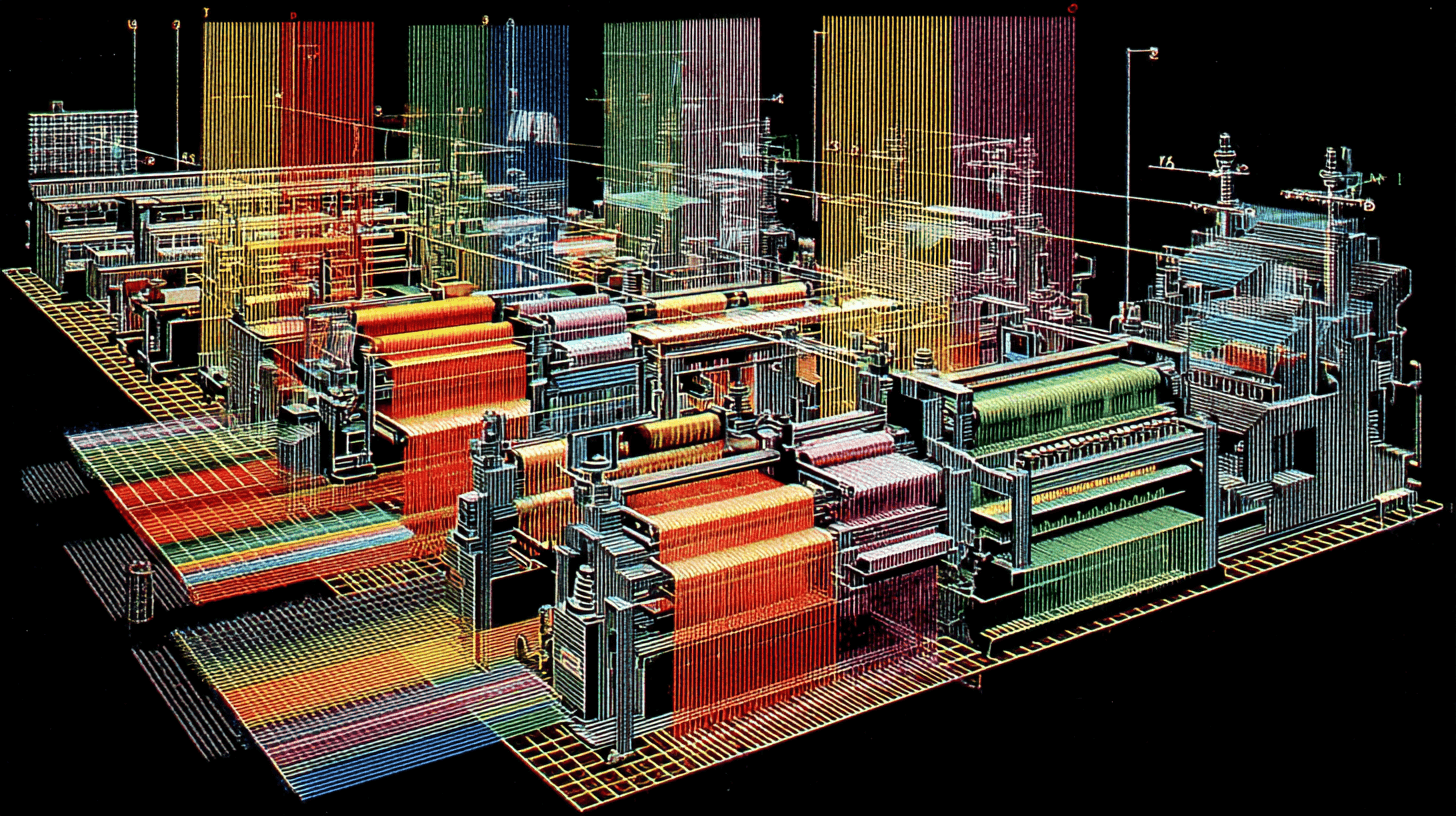
Privacy should not be a moral plea for discretion. Using matroids, it is a structural condition on which combinations of information are allowed to coexist, propagate, infer, or settle.A private photo is not merely “content not yet posted.” It belongs to a different compositional regime. It should not be reachable by the same pathways as a CC0 artwork. It should not become linkable, replayable, or inferentially mergeable just because some actor has enough surface access to grab it. The issue is not openness. The issue is invalid composition.
Once you see it that way, the line becomes sharper.
CC0 belongs to the domain of intentionally common objects. Roman matroid privacy belongs to the domain of boundary preservation across contexts. These are not opposing values. They are complementary constraints on different classes of information. One expands what may circulate. The other limits which combinations may form. One increases common substrate. The other preserves degrees of freedom.
That is also why confidentiality
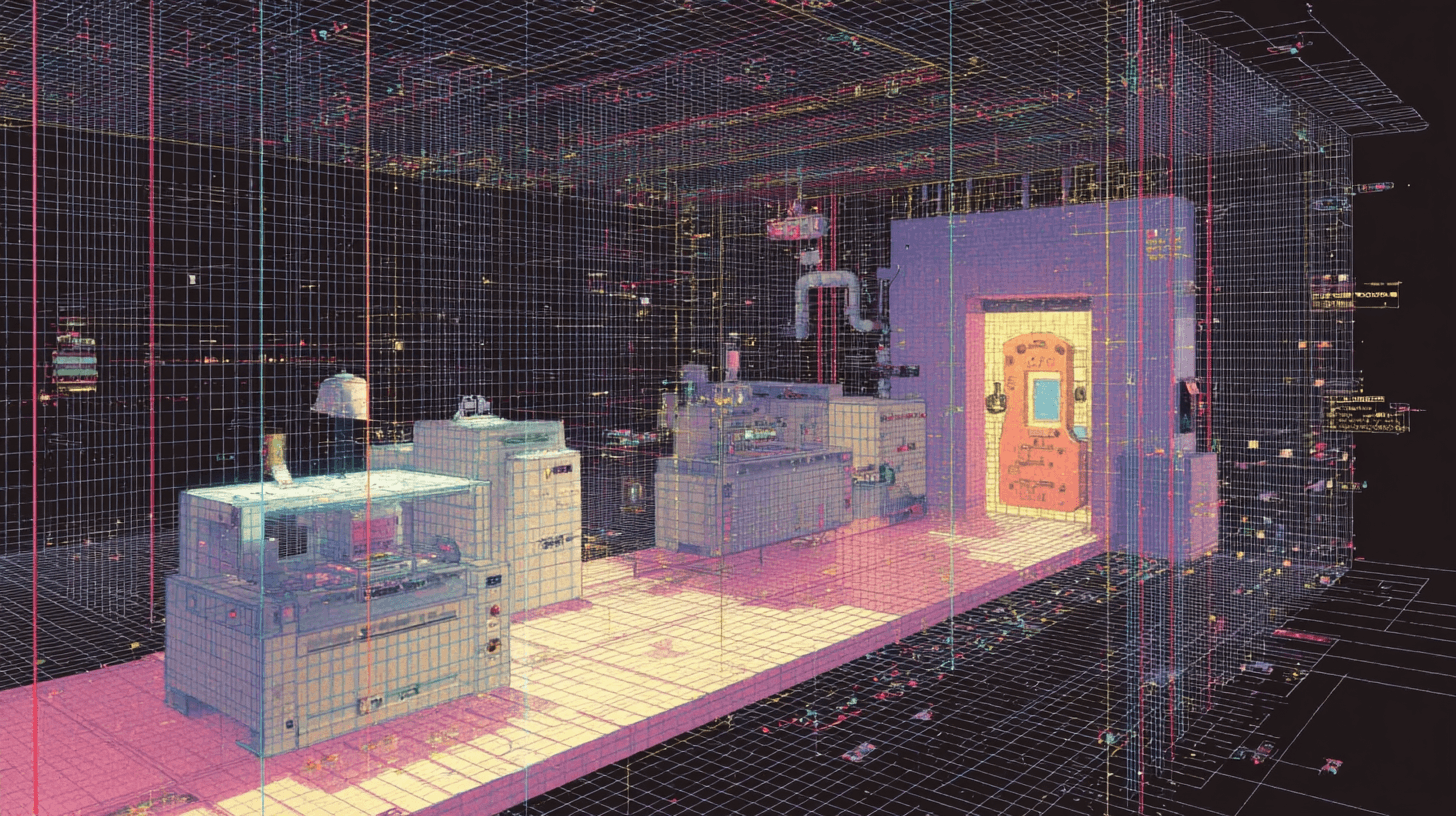
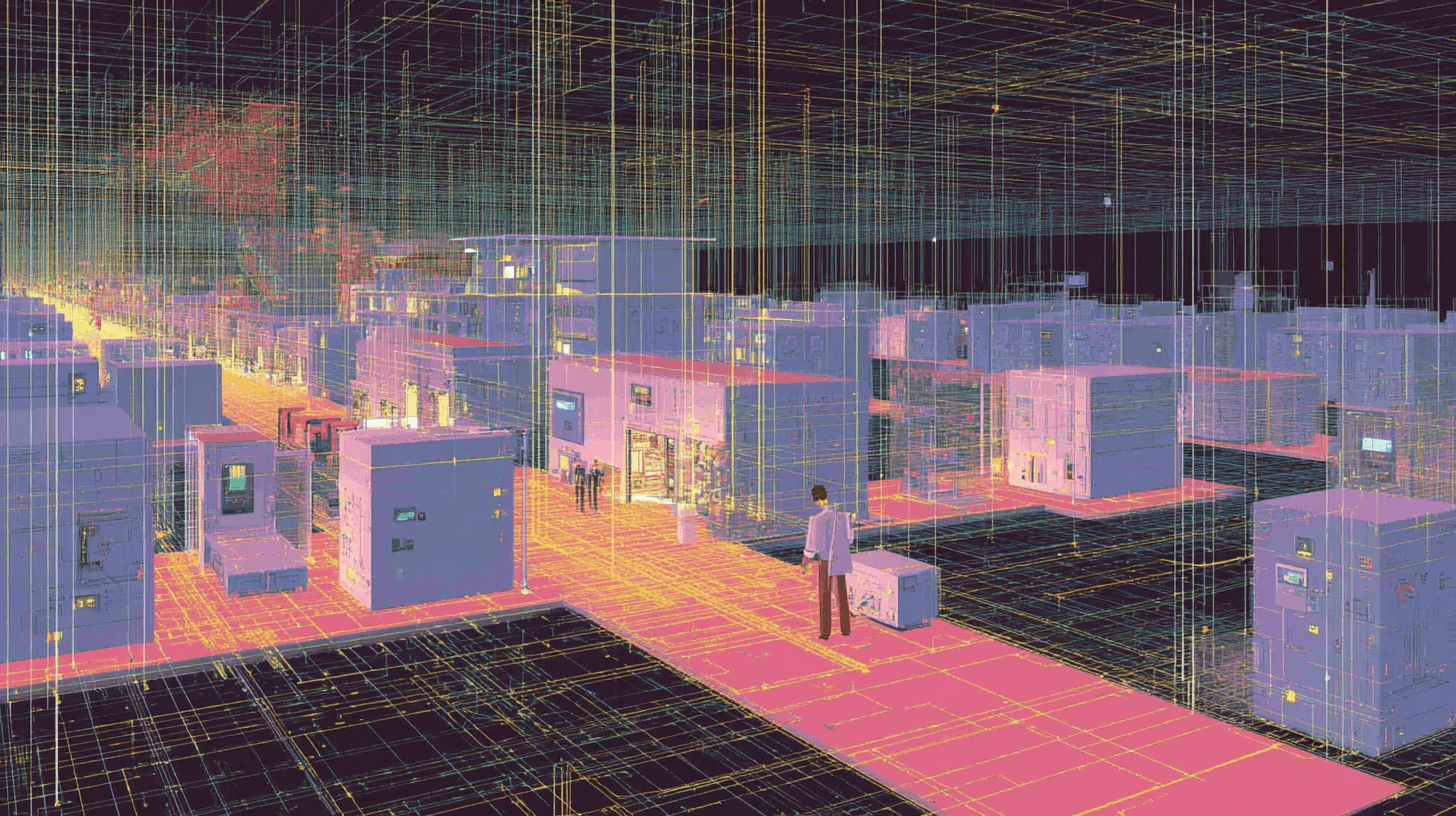
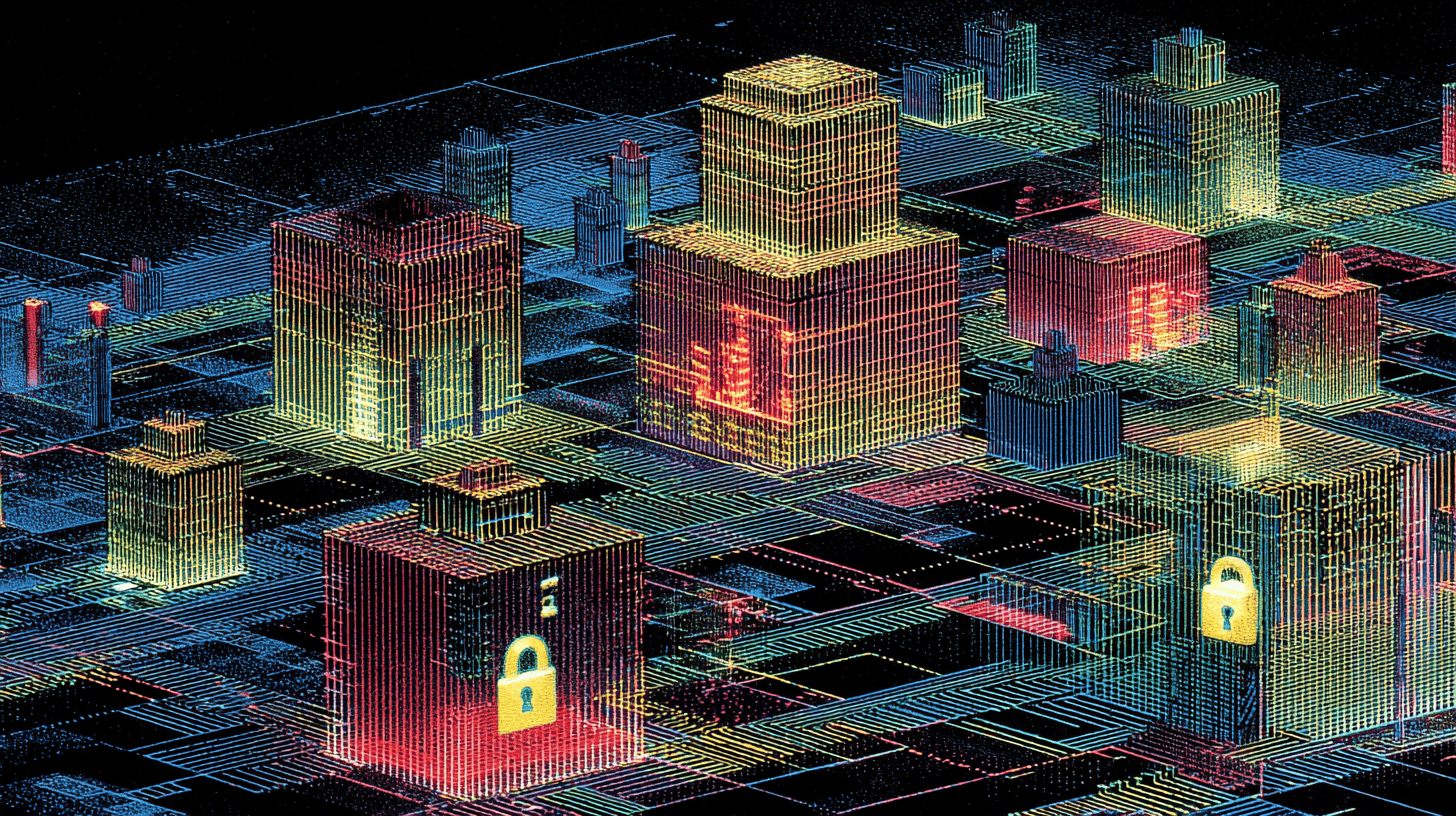
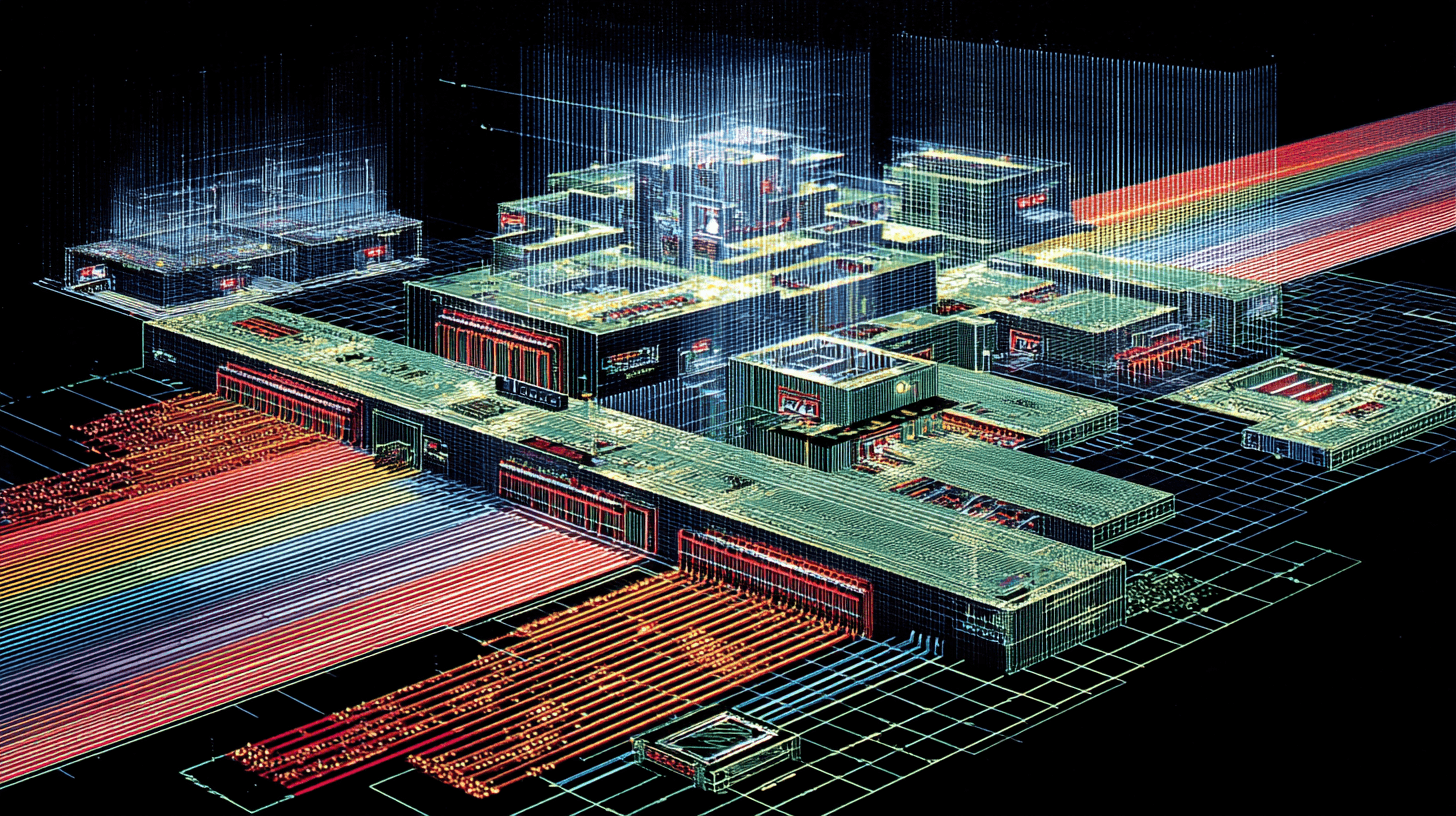
cannot be an afterthought. Without confidential computing, too much of the real action still happens inside opaque machines owned by someone else. Keys may sign transactions on one layer while actual inference, ranking, storage, routing, and context assembly happen inside black boxes that leak state, correlate behavior, and quietly rebuild the very centrality the rhetoric claims to escape. Open artifacts on closed machines only relocate the bottleneck. They do not remove it.
Confidential computing matters
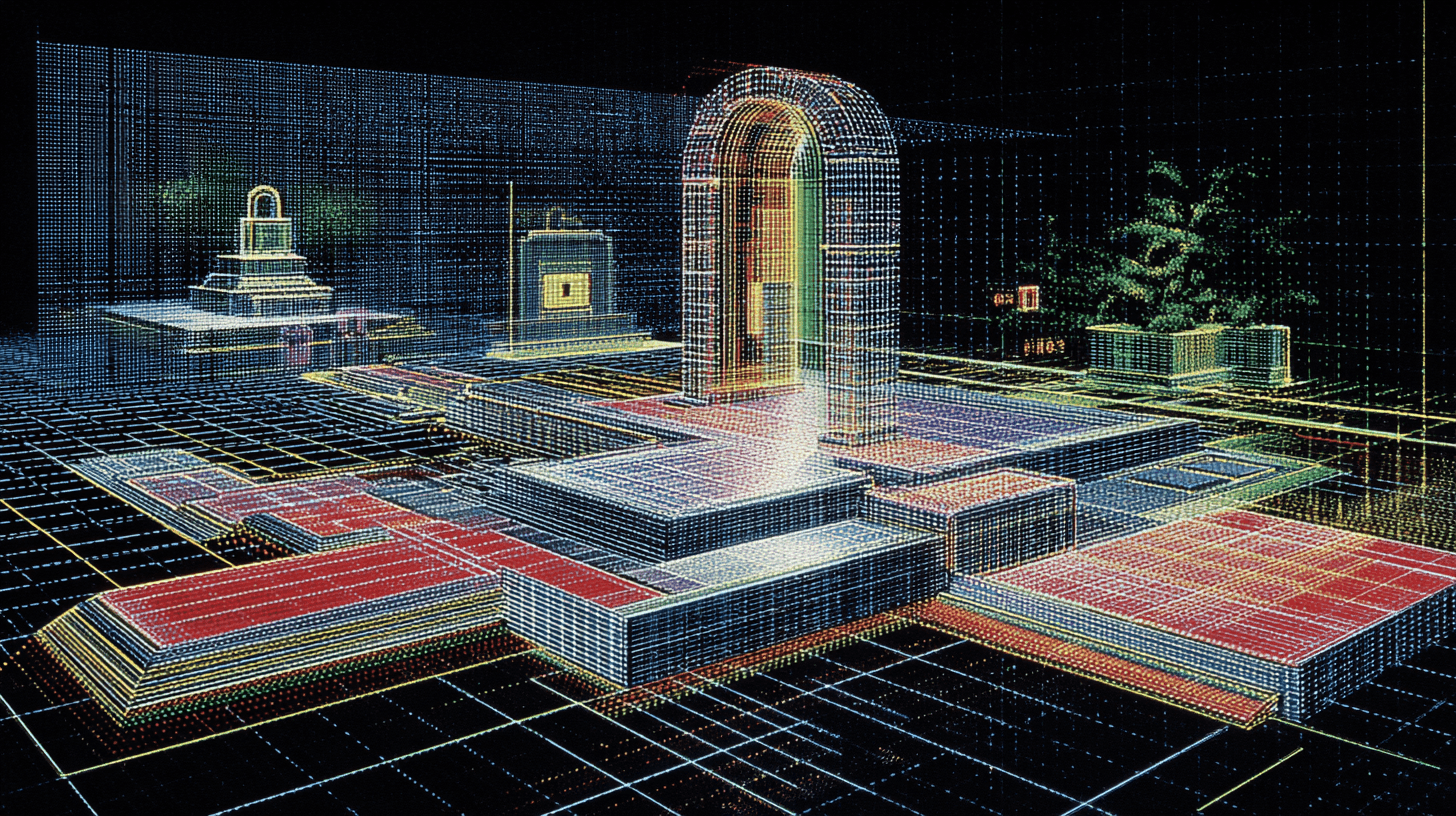
because it begins to separate verifiability from exposure. A system can prove that a computation occurred under stated conditions without forcing every intermediate state into the open. That is essential for anything resembling serious privacy in machine-mediated environments. Not privacy as secrecy theater, but privacy as bounded participation. The machine can process without turning every input into permanent public residue. Real decentralization matters for the same reason. Not the cosmetic version where a token exists but storage, indexing, compute, and governance all route back through a handful of chokepoints. Real decentralization means the power to publish, host, compute, encrypt, attest, and transact is not quietly recentralized at the most consequential layers. Otherwise CC0 becomes decorative. The commons stays open while the means of using it stays narrow.
- https://themanufactory.xyz/
The Manufactory
Keep tightening the model instead of expanding slogans
- https://web3fashionweek.com/
Web3 Fashion Week
Keep tightening the model instead of expanding slogans
- https://matroid.digitalax.xyz/pt/
Matroids
Keep tightening the model instead of expanding slogans
- https://ionic.digitalax.xyz/
Ionic
Keep tightening the model instead of expanding slogans
- https://coinop.themanufactory.xyz/
Coin Op
Keep tightening the model instead of expanding slogans
- https://triplea.agentmeme.xyz/
TripleA
Keep tightening the model instead of expanding slogans
This becomes even more important with models. A model trained on CC0 material does not gain moral permission to absorb private archives, scrape intimate communication, or ingest local files that were never released into common circulation. That move is category error dressed up as technical inevitability. Public commons and private context are not just different in degree. They are different in kind. One can be copied by design. The other requires explicit, condition-bound pathways for access, use, and forgetting. First, a common layer for intentionally released artifacts, where CC0 can operate cleanly. Second, a private layer for local, relational, and sensitive materials, where Roman matroid privacy conditions define which compositions are invalid from the outset. Third, a compute layer, where confidential execution prevents processing from becoming broad exposure. Fourth, a decentralization layer, where no single party gets to quietly monopolize the machines, indexes, or gateways that determine what becomes visible, valuable, or durable. When those layers are confused, everything gets ugly fast. CC0 starts getting blamed for surveillance it did not create. Privacy starts being framed as hostility to openness. Ownership gets mistaken for blanket exclusion. Markets revert to rent extraction because the only monetization anyone can imagine is artificial scarcity over files. None of that is necessary. It is mostly a sign that the stack has not been separated properly. The stronger position is more exact. Some things should be truly common. Some things should remain strictly local. Some things should be shareable only under context-indexed conditions. Some things should be computable without becoming legible to the operator of the machine. Some things should be sellable without granting rights over the whole substrate. Some things should be ownable without becoming closed forever. These are not contradictions. They are design requirements. So no, CC0 is not a doctrine of no ownership, no sales, no boundaries. It is a release format for a certain class of artifacts inside a broader pro-user architecture. That architecture still needs private domains, confidential computing, condition-bound access, and actual decentralization of the machines that mediate culture and economic life. Otherwise the commons is real only at the surface, while everything that matters remains enclosed somewhere underneath.